.png)
Feeling Free // Non-Linear Wedding Timelines

You've read and heard it again and again: personalization is a fundamental component in wedding planning today. It's not even just a popular wedding trend anymore, but really is the standard. Most couples don't want a completely traditional, highly structured wedding event, the wedding their parents and their grandparents had. They want to keep some wedding event traditions and formalities in their wedding day, but leave out or change up anything that doesn't feel necessary or feel like "them". And with that also comes the rise of non-linear wedding timelines.
What's a non-linear wedding timeline? It's a unique, flexible schedule of events planned and prepared for a wedding day. The flow of the day feels very fluid, relaxed and definitely non-traditional, with the ceremony, meals, drinks and party often more intertwined.
These (usually smaller weddings without a ceremony in a religious institution) have a more casual feel and less rigid nature vs. traditionally planned weddings. But even though the schedule of events can sometimes appear to be spontaneous, don't be fooled! The wedding day has actually been carefully planned and organized to ensure a seamless, smooth-running wedding event.

The difference is that the timing and order of these modern weddings are not what many guests might expect as many wedding schedule "rules" get tossed aside. Want a cocktail hour to greet your guests before the ceremony? Sure! Plan to get ready for the day and walk down the aisle together? That works, too! A non-linear timeline really means incorporating non-traditional elements and agendas that just feel right to you for your wedding event.
Non-linear schedules are especially perfect for those that don't enjoy being the center of attention and for couples that feel uncomfortable doing all the traditional wedding customs. And these wedding schedules work wonderfully for couples with small, more intimate weddings where the traditional timing of events just doesn't feel natural.

With non-linear timelines, a greater emphasis is placed on emotional connections, both for the couple as they have more time built into the day to spend together, and for guests as less "show" during the event means more opportunities to mingle and have fun. Alternative timelines are being embraced by couples who simply want to design their whole day and realize every wedding dream, to enjoy every part of their wedding day and to regret nothing after their day is over.
Since full personalization is the goal, there's really almost no limit on the ways you can make your wedding day plan of action all your own. Consider some of these non-linear timeline examples that are gaining in popularity:
Incorporate a "reverse processional". Here, the traditional processional is turned on its head, and there's several ways to do it! In one version, the bride enters the space first, followed by the wedding party, then the groom. Alternatively, the couple walks down the aisle together with the wedding party either leading or following them. A reverse processional often symbolizes equality and places complete focus on the couple.
Skip the walk down the aisle. Another shake up in the start of the ceremony involves skipping the processional entirely. The couple and wedding party are instead already at the front of the ceremony space as the guests arrive and find their seats, perfect for couples who don't enjoy being in the spotlight.
Hold the ceremony during the cocktail hour. Guests are invited to mingle and grab drinks and appetizers while the couple's informal ceremony, including their vow recitation and ring exchange, is performed. The cocktail hour then continues seamlessly until the dinner and reception party begins.
Add more private moments for you as a couple. More time is allotted for the couple of honor to spend time together, away from the crowd. Couples often get ready for the day together, have additional portraits taken, enjoy a private dinner or go on a sunset stroll. And some couples have a "save the last dance for me" moment as they dance the last dance of the party after all guests have left.

Because you may be introducing guests to their first non-linear wedding, remember to factor in extra time for transitions between your scheduled events as guests adapt to the slightly more casual vibe and unfamiliar timeline. Plus, this will give you a little extra time for spontaneous moments with your family and friends.
Allotting extra buffer time is actually important advice for any wedding, because events often run late and schedules need to be able to adjust. And don't worry, your guests won't be confused about your unique timeline if you announce the order and timing of your day's events clearly in your wedding program and wedding website.

But the very best way to ensure a seamless wedding day with an alternative timeline is to hire a great professional wedding planner! They'll have the expertise to tell you how best to plan your extraordinary wedding day and will know what non-traditional ideas will work. Just be sure the planner you hire has experience with or the knowledge needed to plan a unique, non-linear schedule.
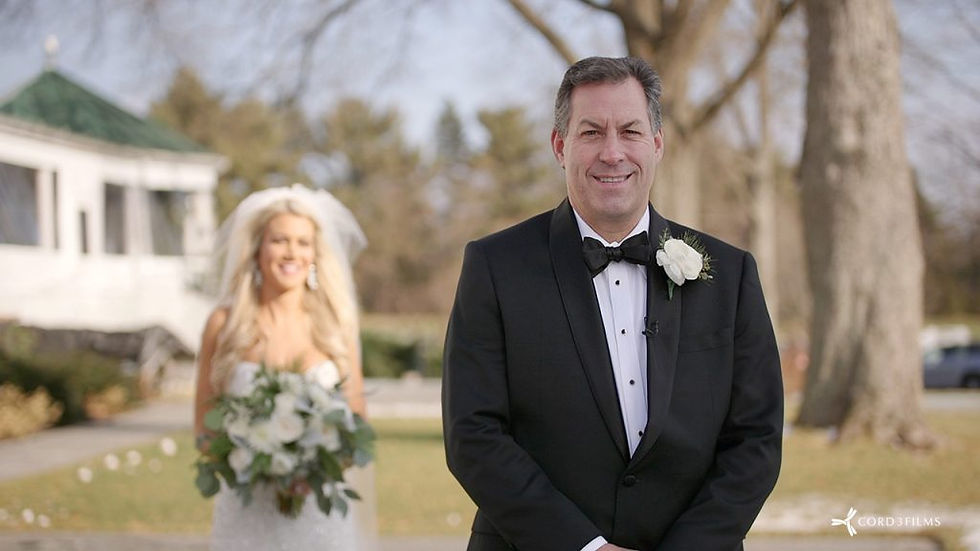
We've certainly filmed a lot of weddings and while the majority have conformed to traditional wedding timelines, we have seen and filmed quite a few non-linear timeline aspects, especially in recent years. We've filmed several personal vow ceremonies after the couple's "official" or family-only ceremony had been performed days before their wedding event. We've also been there many times as personal vows were recited during the first look moment.
And other non-traditional timelines we've seen include couples skipping the first dance and/or parent dances and wedding parties having no announced grand entrance into the reception. All of these wedding events felt truly personal, wonderfully fresh and absolutely perfect!

Once upon a time (but really not that long ago), the first look before the ceremony was unconventional and seldom seen at wedding events. Now, it's very much the norm! We're wondering, how many new, non-linear timeline aspects will soon become completely commonplace at weddings?